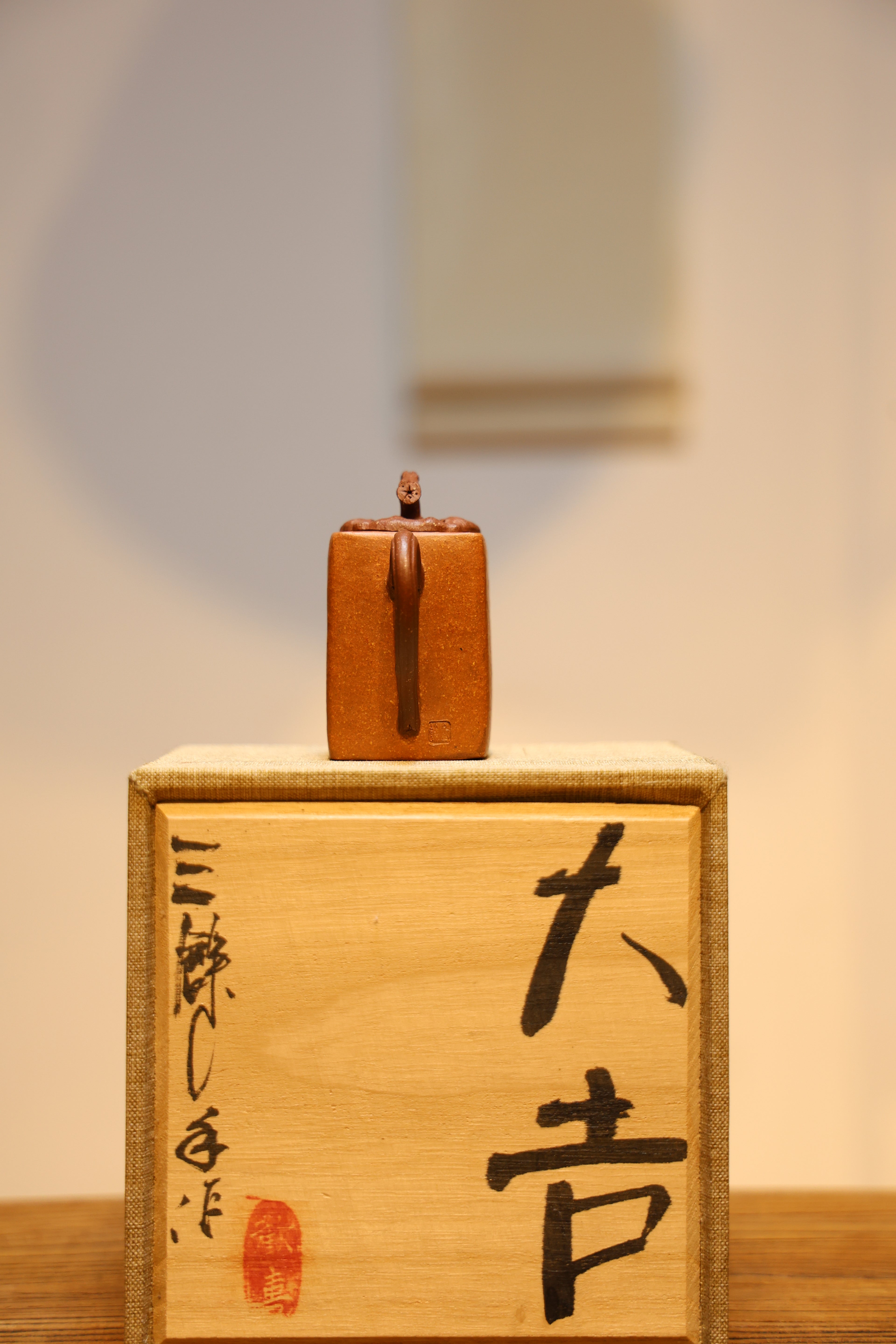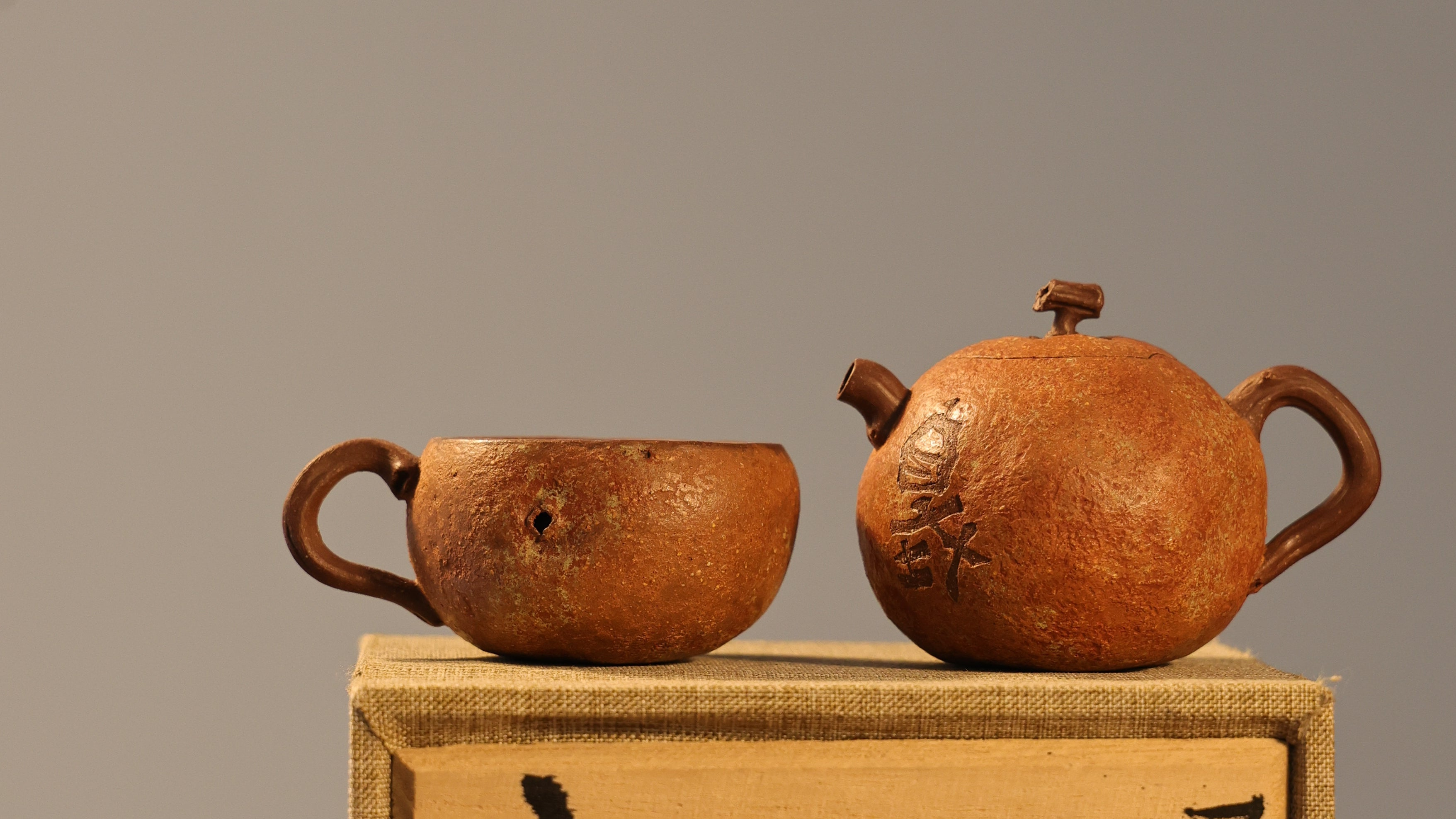
Lasting tradition marks Huaihai teapots through ages,
Demonstrating original hallmarks extracted across local purple clays, these pots develop a patina over application, improving taste infused from brewed teas.
Appreciating Yixing Clay: Broad Insights into Zisha
Various followers honor the unparalleled fabric of Yixing lavender clay, a keystone of heritage Chinese teaware. Emerging from the Yixing region of Jiangsu province, this rare clay demonstrates an delicate mineral configuration, such that gives remarkable qualities to the final pieces. Models within Zisha, including Jiang Mud, Duan Ni Mud, and Jiang Xi Mud, each presents different colors, structures, and temperatures traits, altering the permeability and the ultimate accent ripening of the brew.
Chinese Carafe Legacies: Exploring Artistry
Eurasian teapots embody greater than mere holders for concoction; they exemplify centuries of traditional mastery. From the distinguished Yixing clay variations, respected for their absorbent nature which imparts exclusive notes to the extract, to the subtle porcelain from Jingdezhen, each piece reveals a record of devotion. The forming process is an careful journey, often relayed through lineages of professionals. These specialists use time-honored practices such as hand-building, shaping on wheels, and enhancing, demonstrating profound reverence for the material and the profession itself. Ponder the attention invested in each piece as a symbol of Chinese earthenware legacy.
- Southern vessels: a renowned option.
- Porcelain teapots: acclaimed as their fragile design.
- Modeling techniques: a exacting yet gratifying procedure.
Chinese Zisha Jar Handling: Protecting Your Esteemed Good
Sufficient handling of your valued Yixing Zisha container is paramount to preserving its quality. Crafted from exclusive purple sand earth, these fine teapots form a rich patina after employment, meaningfully boosting their allure. Refrain from chemicals; a tender rinse with tepid moisture is appropriate. Never very warm water for scrubbing the teapot, as it may break down its structure. Allow it to dry naturally away from strong daylight. Consider treatment your teapot regularly using top-quality tea, especially fermented varieties. Here is a brief instruction:
- Wash out with lukewarm moisture.
- Eschew washers.
- Facilitate it to dry completely.
- Break in with superior tea.
Origins of Yixing Teapots: From Basic Inception
The chronicle of Yixing teapots initiates basically during the Zhao dynasty, roughly the 16th interval. Initially, these articles were not the valued collectibles they are considered now. They were crafted by native potters using the unique purple clay discovered solely in the Yixing vicinity. These early creations were primarily utilitarian, intended for daily use and often simple in composition. It was not until the posterior dynasty that they opened up to earn renown beyond mere employable crafts.
Identifying the Appropriate Chinese Container: A Novice's Guide
Venturing the territory of Yixing teapots can be complex, but resist resisting! For starters, the key factor is understanding the clay. Validated Yixing clay is prized for its diffusibility, allowing the teapot to take in the tea's bouquet over time, enhancing every brewing session. Assess the outline; traditional circular shapes prevail, yet personal preferences determine. Lastly, scrutinize the coating—while some favor an unfired appearance, others appreciate a nuanced gloss. Take your time in the option process—this is an buying in a treasured piece of art.
Traditional Clay Jars and Their Effect on Chinese Tea Ceremony
Zisha pots, originating from Yixing, China, have profoundly dictated established Chinese tea culture. Those Yixing clay teapots, prized for their unique complexion, consistency, and exceptional ability to impart a subtle taste to the potion, function as more than mere containers; they are held dear creations and symbols of prestige. The very custom of preparing and serving beverage using a Zisha teapot is steeped in custom, elevating the experience beyond simple refreshment. Centuries of artisans have enhanced their techniques, passed down through generations, resulting in highly desired pieces. Accordingly, Zisha teapots are frequently admired, playing a crucial part in cultivating Oriental appreciation for aesthetics and the science of concoction ceremonies.
- Special Clay Composition
- Contributing Subtle Flavor
- Decorative Craftsmanship
Confirming Real Sought-After Eastern Jars
Obtaining a verified Yixing teapot can be a pleasurable experience, but the sector is often saturated with copies. Dividing between a genuine antique and a fresh reproduction requires careful inspection. Key features include the clay's reddish-brown shade, often displaying textured prints, and the lack of modern heating imprints. The configuration should look natural sophistication, reflecting the traditional Yixing approach. Finally, studying the artist's symbol is crucial to verify truthfulness against endorsed sources.
- Assess the clay's pattern.
- Look for errors, indicative of handcrafted quality.
- Ask an appraiser for endorsement.
Acquiring Zisha Pitchers: A Comprehensive Handbook to Clay Ware Review
The industry of 宜兴 Zisha containers grants a noteworthy circumstance for astute enthusiasts. Continuously, the market price of these well-made artifacts is steered by various elements, such as the caliber of earthenware, the craftsmanship of the creator, the ancestral notability, and, naturally, the modern attention. Rookies should concentrate on understanding the different species of Zisha clay—such as 冰河, Calm Pot, and Red Clay—and researching the traits linked to each. Diligent assessment of the pot's form, hue, and seal is also essential to make Zisha Teapot competent evaluations when investing.