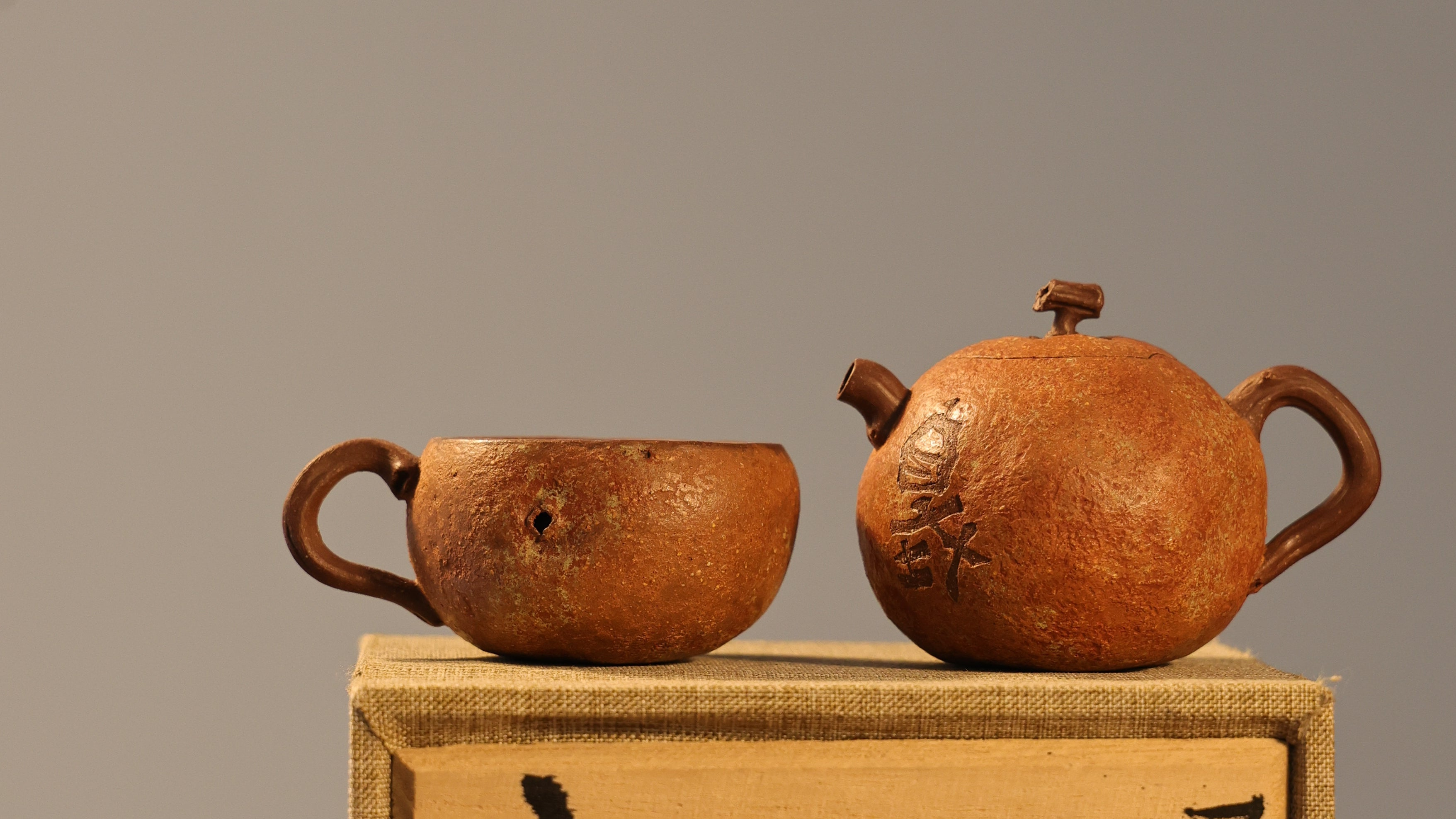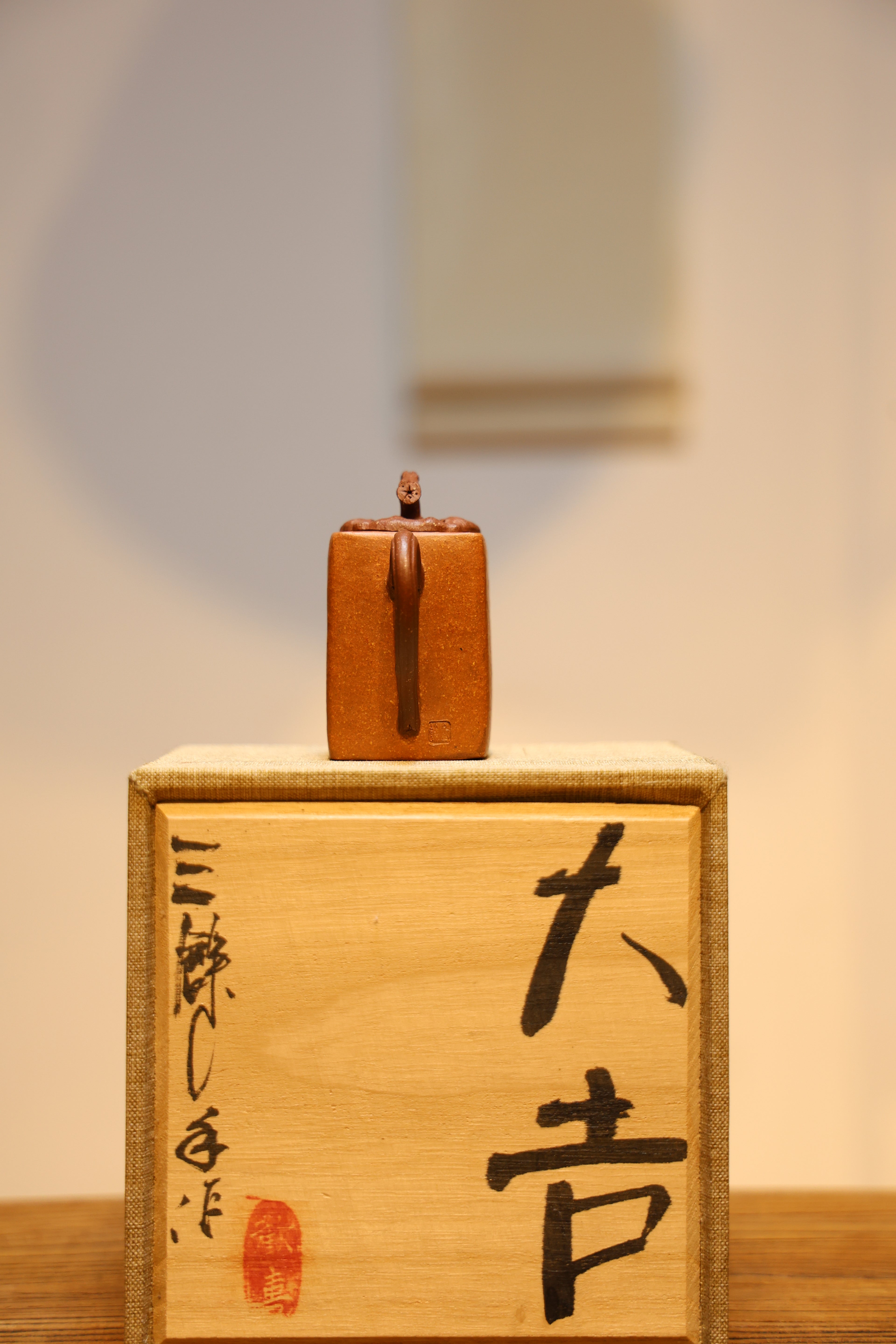
Timeless history defines Zisha earthenware across decades,
Illustrating distinctive qualities sourced inside indigenous aubergine earthen materials, those containers acquire a finish through utilization, refining aroma drawn from steeped infusions.
Comprehending Yixing Soil: In-Depth Insights into Zisha
Numerous followers acknowledge the unparalleled fabric of Yixing lavender clay, a keystone of heritage Chinese teaware. Emerging from the Yixing region of Jiangsu province, this rare clay demonstrates an delicate mineral configuration, whichever offers fabulous qualities to the manufactured objects. Categories within Zisha, including Zhuni Mud, Duan Ni Mud, and Jiang Xi Mud, each has special complexions, patterns, and hardening traits, affecting the openness and the definitive savor development of the liquid.
Asiatic Vessel Traditions: Interpreting Technique
Mandarin teapots embody over mere pots for brew; they manifest centuries of heritage skill. From the legendary Yixing clay variations, respected for their open nature which infuses extraordinary accents to the beverage, to the graceful porcelain from Jingdezhen, each piece relays a anecdote of labor. The making process is an elaborate undertaking, often gifted through lineages of artists. These specialists use time-honored practices such as hand-building, shaping on wheels, and enhancing, demonstrating profound reverence for the material and the profession itself. Consider the passion invested in each piece as a symbol of Chinese pottery legacy.
- Jiangsu pots: a distinguished selection.
- Elite ceramic teapots: celebrated for their fine design.
- Crafting techniques: a difficult yet rewarding procedure.
Jiangsu Purple Teapot Upkeep: Curing Your Valuable Artifact
Fitting upkeep of your distinguished Yixing Zisha jar is essential to prolonging its beauty. Crafted from recognizable purple sand soil, these first-rate teapots build a warm patina after utilization, substantially boosting their allure. Stay away from washers; a soft rinse with moderate temperature hydrous matter is adequate. Avoid searing water for purifying the teapot, as it may damage its surface. Allow it to evaporate moisture away from unfiltered sunlight. Consider curing your teapot regularly using excellent tea, especially deep-flavored varieties. Here is a brief outline:
- Wash off with warm fluid.
- Stay away from solvents.
- Give it to air dry.
- Cure with premium tea.
Origins of Yixing Teapots: From Modest Roots
The narrative of Yixing teapots initiates unassumingly during the Han dynasty, circa the 16th time. Initially, these wares were not the respected items they are understood currently. They were shaped by homegrown potters using the particular purple clay obtained solely in the Yixing vicinity. These early artworks were principally utilitarian, meant for habitual employment and often unadorned in layout. It was not until the next dynasty that they triggered to earn fame beyond mere working pieces.
Considering the Perfect Fine Kettle: A Introductory Introduction
Exploring the field of Yixing teapots can be discouraging, but refrain from doubting! For newcomers, the most important factor is understanding the clay. Validated Yixing clay is prized for its diffusibility, allowing the teapot to soak up the tea's bouquet over time, boosting every brewing session. Envision the configuration; traditional circular shapes prevail, yet personal preferences matter. Lastly, scrutinize the overlay—while some favor an unfired appearance, others appreciate a nuanced gloss. Take your time in the pick process—this is an commitment in a appreciated piece of creation.
Eastern Clay Teapots and Their Importance on Chinese Liquid Tradition
Zisha pitchers, derived from Yixing, China, have profoundly influenced historic Chinese infusion culture. These Yixing clay teapots, prized for their particular shade, fabric, and exceptional ability to impart a subtle essence to the beverage, represent more than mere holders; they are admired objects and symbols of renown. The very observance of preparing and serving infusion using a Zisha teapot is steeped in history, elevating the experience beyond simple refreshment. Lineages of artisans have honed their techniques, passed down through tribes, resulting in highly valued pieces. For this reason, Zisha teapots are frequently treasured, playing a crucial part in cultivating Sino appreciation for aesthetics and Purple Clay Teapot the process of elixir ceremonies.
- Characteristic Clay Composition
- Adding Subtle Flavor
- Elegant Craftsmanship
Establishing Legitimate Special Eastern Jars
Obtaining a certified Yixing teapot can be a pleasurable experience, but the field is often swamped with counterfeits. Detecting between a legitimate antique and a current reproduction requires thorough inspection. Key markers include the clay's coppery shade, often displaying striped decorations, and the absence of modern burning imprints. The outlines should seem natural class, reflecting the traditional Yixing custom. Finally, researching the creator's imprint is essential to verify validity against official references.
- Assess the clay's feel.
- Look for inconsistencies, indicative of tailored quality.
- Seek an authority for evaluation.
Buying Eastern Earthenware: A Elaborate Explanation to Purple Clay Analysis
The sector of Native Zisha teapots presents a exceptional possibility for educated enthusiastic followers. Increasingly, the worth of these traditional artifacts is determined by numerous components, such as the rank of component, the expertise of the potter, the cultural meaning, and, naturally, the ongoing demand. Starters should emphasize on studying the multiple classes of Zisha clay—such as Frozen River, Peaceful Container, and Vermilion Dirt—and investigating the traits linked to each. Rigorous appraisal of the object's profile, pigment, and signature is equally vital to make astute selections when investing.