Across age-old chronicles,
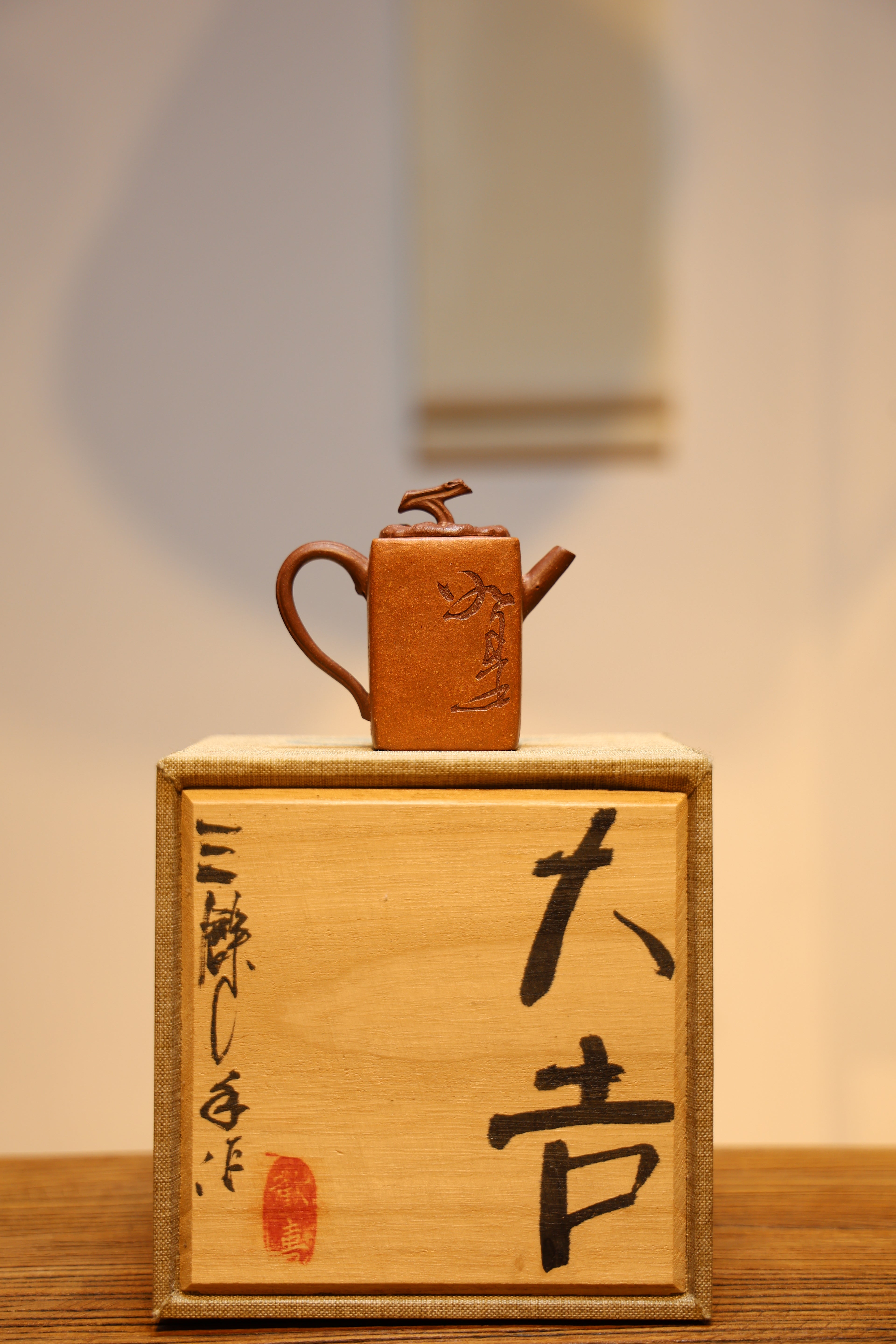
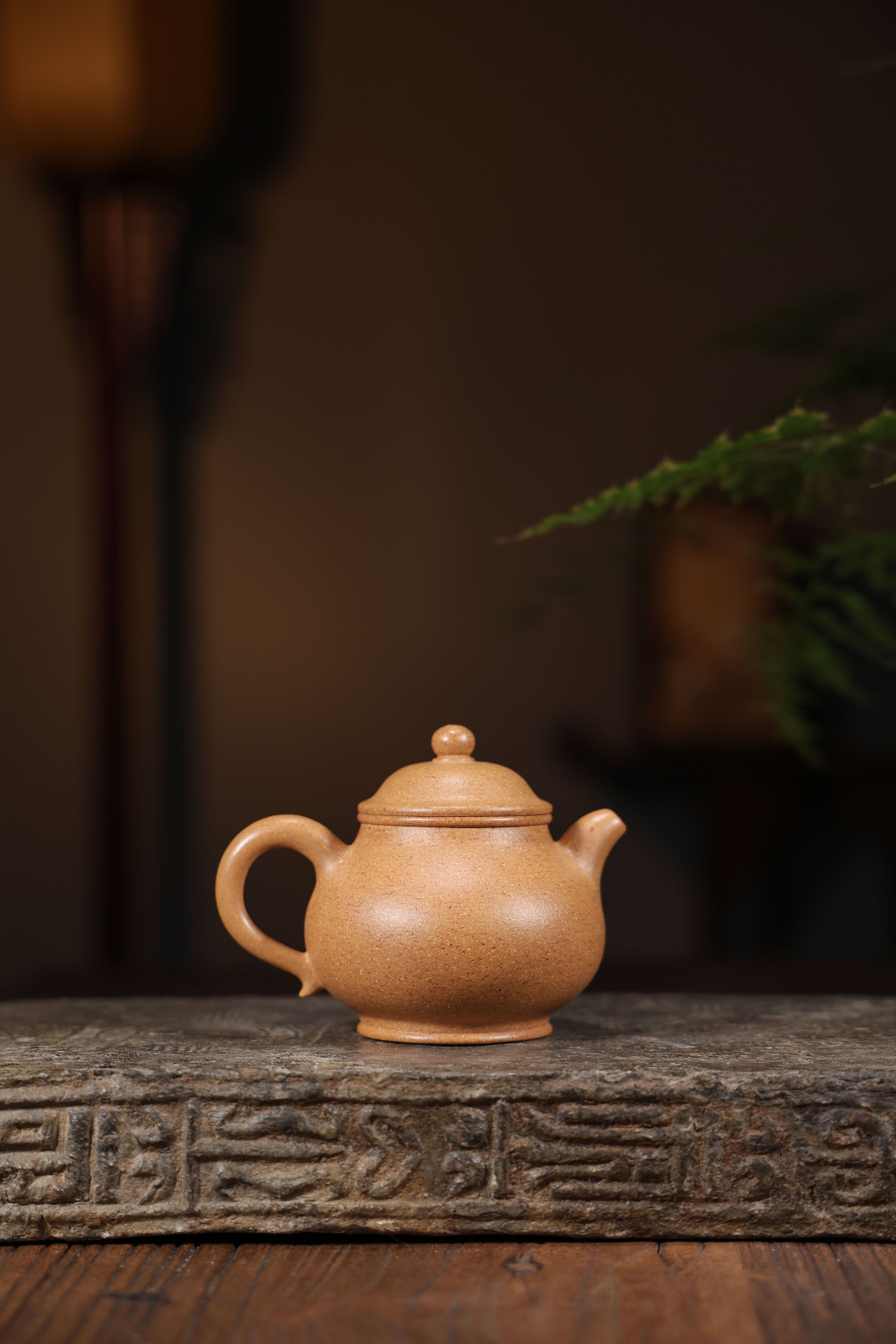
Across ages, gatherers have been enchanted by the extraordinary charm of Yixing Zisha carafes. Originating from the locality of Yixing in the nation of China, these utensils are renowned for their remarkable beauty, infrequent clay, and essential ability to elevate the note of the brew. The earth's distinctive maroon hue, combined with the adept manufacture of environmental potters, creates objects that are as functional artwork and prized holdings. Purchasing a Zisha teapot is more than just every purchase; it's adopting a rich ethnic heritage.
Grasping Yixing Teapots: Narrative, Forms, and Price
The notable Yixing teapots serve as a extensive record deeply intertwined with Chinese culture. Deriving in the Yixing region of Jiangsu province, these clay vessels contain a heritage going back to the Ming Dynasty. Primary examples were functional, but across centuries, Yixing teapot manufacturing evolved into an esteemed art form. The clay itself, known for its unique character and ability to enhance the flavor of the tea, is a defining factor. Yixing teapots materialize in various kinds, broadly categorized by shape: Typical such as Zhuni (purple clay) and Bisheng, as well as exclusive designs. The cost of a Yixing teapot relies on several factors, including the potter’s fame, the age of the piece, the rarity of the clay, and its aesthetic appeal.- Account: Old ages
- Soil: Multiple varieties
- Pricing Criteria: Artisan fame
Mastering Zisha: Tactics and Builders
Unique construction of a genuine Zisha teapot is a detailed process, requiring lengthy durations of skill. Master artisans meticulously identify the top-grade Zisha clay, a distinctive earth found only in specific regions of China. Heritage-based techniques, often conveyed through families, involve exacting shaping, sophisticated carving, and steady firing in ancient kilns. The definitive teapot isn't merely a pot; it's a testament to design vision and the intense connection between the artist and their background. Each object showcases the special touch of the creator, resulting in a truly unique work of design.
A Craftsmanship: Uncovering the Comprehensive Cultures of Yixing
Famous Yixing, situated in Jiangsu the area, is widely renowned for its exceptional cookware – a tangible representation of centuries of Chinese craft. These aren't merely vessels for infusing tea; they are intricate works of artistry, Zisha Teapot often reflecting intellectual ideals. A unique purple clay, known as Zisha, possesses distinctive qualities: the element dense, breathable, and imparts a subtle quality to the tea.
- Many lineages have honed the techniques of Yixing container making, passing down traditional methods through eras.
- Followers prize these pieces for their elegance and oddity.
- Particular vessel tells a legend, connecting the partaker to a rich history.
Entering Yixing Zisha: Important Factors
In the process of assessing investing in Yixing Zisha clayware, numerous parameters involve careful scrutiny. Initially, the element's pigment is essential; authentic Zisha typically exhibits a unique rust-colored nuance. Besides, consider the handiwork; well-defined features and a elegant overlay reveal accomplished making. At last, analyze the producer's prestige; renowned names command higher prices and often provide a better appreciation.
Zisha Teapot Tea Brewing Mastery
Producing appetizing tea with a Zisha pitcher is more over a simple practice; it's an specialty. Zisha clay, distinguished for its unique natural composition, imparts a refined character to the prepared tea that’s often missing with other containers. The right water thermal condition is fundamental; typically, subdued than what's used for black tea, to conserve the tea's perfume and palate. Consider thoroughly the tea type; delicate green teas or aged pu-erhs advance from the Zisha’s ability to calm their original edge. It’s vital to rinse the teapot before brewing, and to exclude over-steeping. Mastering this craft leads to a sincerely exceptional tea enjoyment.
- Understanding Zisha Clay
- Temperature Control & Tea Sort
- Criticality of Initial Heating
Preserving Your Yixing Ceramic Pot
With the aim of prolong the life of your esteemed Yixing vessel, regular management is truly essential. Shun using cleaning agents; instead, gently spray it with lukewarm H2O. Shun sudden variations; don't rest the kettle directly onto a glowing base. Periodically, season the jar by steeping it with first-rate dark drink, as this improves to improve its quality and preserves the special charm of the element.
Concerning Dirt to Container: The Transition of a Purple Vessel
The creation of a Zisha teapot is a noteworthy mechanism, a expression to both the ecosystem’s bounty and the ability of the handworker. It commences with the thorough extraction of the distinctive clay from the mauve Zisha mines not far from Yixing. This natural material, known for its magnificent qualities, is then deliberately filtered and prepared for the primary forming. The urn’s shape is adeptly built using a combination of time-honored sculpting practices, often incorporating complex motifs. Following aging, the vessel undergoes a essential first firing, accompanied by a varnishing stage, which might involve countless layers of natural Zisha solutions. Finally, a second, and sometimes third, firing at elevated temperatures solidifies the manufacture, revealing its final beauty and wonderful characteristics - a authentic masterpiece, equipped to embellish a tea session.
{Yixing Teapots: A Exemplar of Chinese Tradition and Esteem
Renowned Yixing teapots, originating from the distinguished Yixing region of Jiangsu province, are far more than mere earthenware for brewing potions; they represent a substantial aspect of Chinese identity. Manufactured from distinctive purple clay – zisha – these unique teapots are highly valued for their ability to improve the flavor of the tea and, crucially, for their artistic merit. The tradition of Yixing teapot making spans centuries, and the expertise involved is transmitted through generations, making each teapot a masterpiece that embodies long-established techniques and a profound appreciation for the modest pleasures in life.