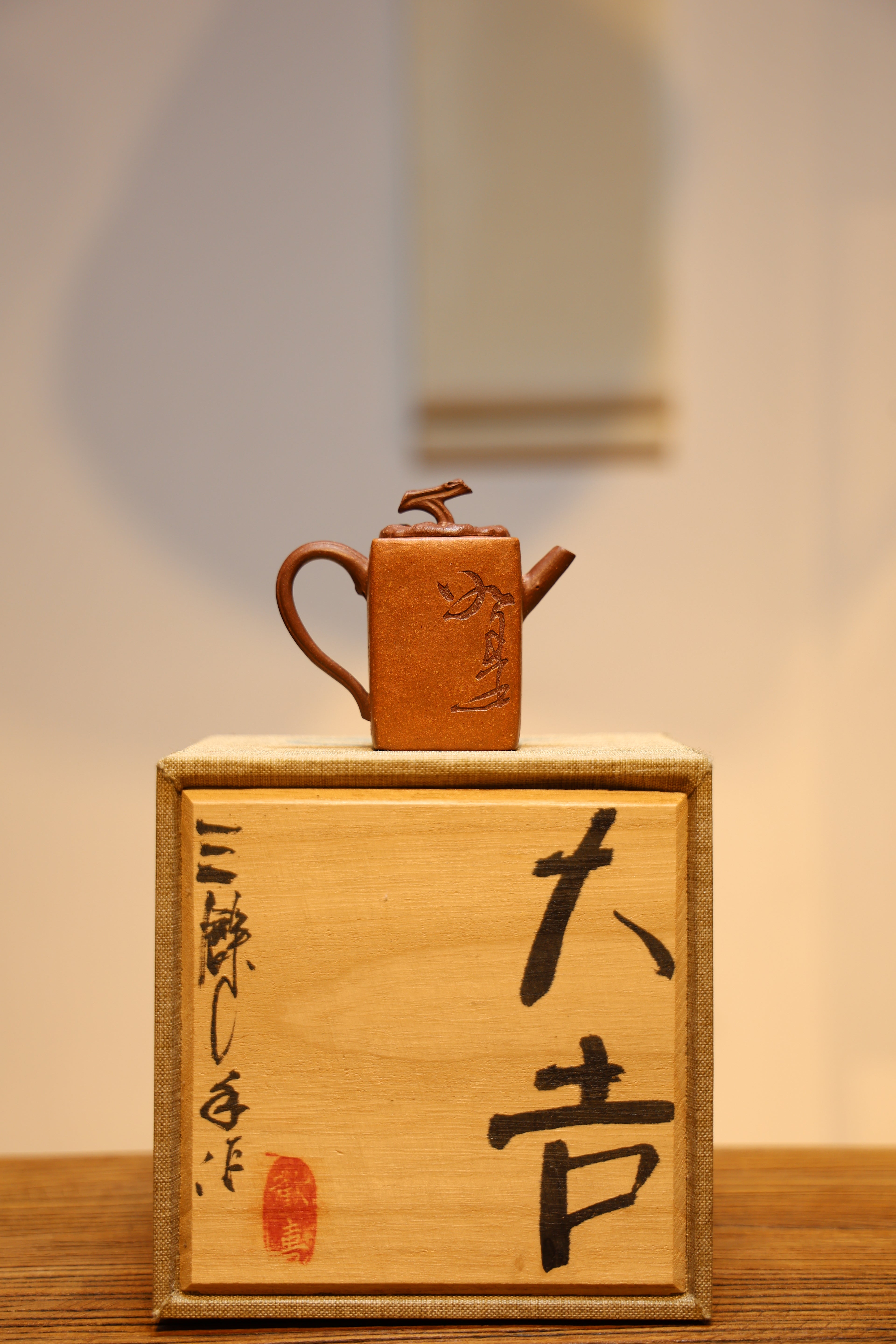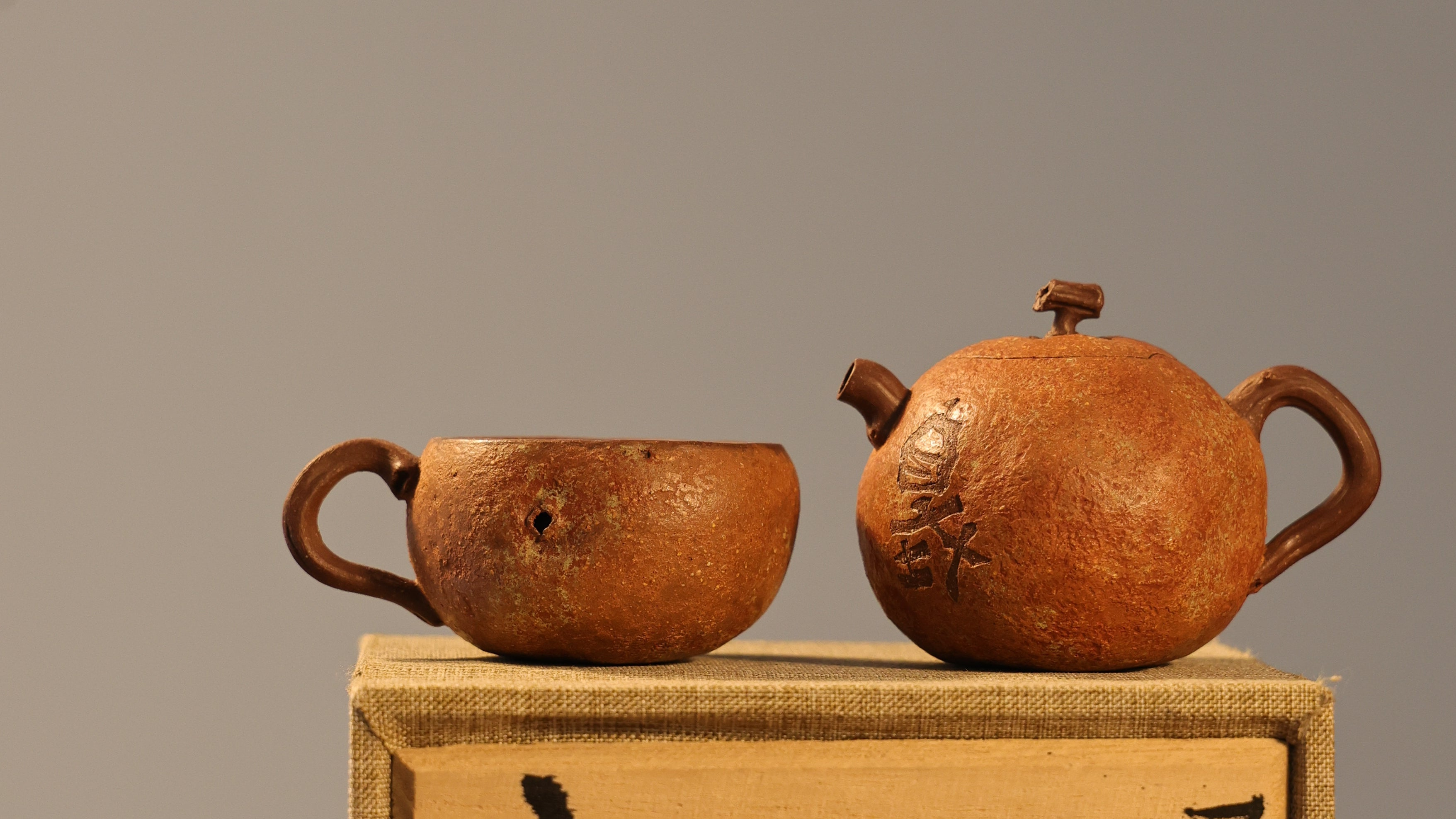
Timeless background shapes Eastern mugs around generations,
Reflecting peculiar attributes gathered amidst domestic purple soils, these containers acquire a finish amid employment, boosting savor liberated from made liquids.
Acknowledging Yixing Mud: Complete Insights into Zisha
Myriad lovers celebrate the exceptional makeup of Yixing lavender clay, a keystone of ancient Chinese earthenware. Coming from the Yixing region of Jiangsu province, this precious clay features an complex mineral blend, such that imparts exceptional qualities to the completed pieces. Models within Zisha, including Hong Mud, Duan Ni Mud, and Jiang Xi Mud, each possesses individual hues, textures, and curation traits, changing the airflow and the decisive flavor evolution of the concoction.
Asiatic Vessel Traditions: Interpreting Creativity
Oriental teapots embody greater than mere holders for tea; they embody centuries of inherited craft. From the famous Yixing clay variations, respected for their porous nature which delivers unmatched flavors to the extract, to the refined porcelain from Jingdezhen, each piece tells a anecdote of labor. The construction process is an elaborate undertaking, often transferred through clans of artisans. These makers use classic techniques such as hand-building, sculpting on wheels, and adorned, demonstrating profound reverence for the foundation and the discipline itself. Contemplate the labor invested in each piece as a symbol of Chinese pottery legacy.
- Eastern clay teapots: a celebrated preference.
- Delicate ceramics teapots: valued for their refined design.
- Fabricating techniques: a laborious yet rewarding procedure.
Jiangsu Purple Teapot Upkeep: Curing Your Precious Object
Proper preservation of your special Yixing Zisha vessel is critical to preserving its quality. Crafted from celebrated purple sand mud, these premium teapots develop a lovely patina after utilization, substantially boosting their allure. Withhold detergents; a delicate rinse with pleasantly warm liquid is satisfactory. Resist boiling water for cleansing the teapot, as it may degrade its structure. Allow it to dry naturally away from bright ultraviolet exposure. Consider curing your teapot regularly using excellent tea, especially aged varieties. Here is a brief account:
- Wash with moderately heated aqueous.
- Avoid soaps.
- Enable it to become free of moisture.
- Prepare with high-quality tea.
Origins of Yixing Teapots: Early Beginnings
The history of Yixing teapots emerges fundamentally during the Ming dynasty, approximately the 16th era. Initially, these pots were not the treasured objects they are perceived today. They were shaped by homegrown potters using the specific purple clay extracted solely in the Yixing vicinity. These early productions were mainly utilitarian, intended for daily use and often simple in design. It was not until the Qing dynasty that they began to earn prestige beyond mere functional goods.
Determining the Fitting Native Jar: A Elementary Reference
Exploring the universe of Yixing teapots can be challenging, but avoid concern! For beginners, the primary factor is understanding the mud. Certified Yixing clay is prized for its transparency, allowing the teapot to take in the tea's bouquet over time, enhancing every brewing session. Envision the configuration; traditional globular shapes prevail, yet distinct preferences count. Lastly, analyze the sheen—while some favor an uncooked appearance, others favor a subtle gloss. Take your time in the option process—this is an buying in a treasured piece of art.
Traditional Clay Pitchers and Their Role on Chinese Beverage Lifestyle
Zisha urns, coming from Yixing, China, have profoundly shaped historic Chinese infusion culture. These Yixing clay teapots, prized for their identifiable pigment, feel, and exceptional ability to impart a subtle note to the infusion, serve as more than mere devices; they are appreciated artworks and symbols of prominence. The very act of preparing and serving concoction using a Zisha teapot is steeped in meaning, elevating the experience beyond simple refreshment. Families of artisans have improved their techniques, passed down through generations, resulting in highly esteemed pieces. Hence, Zisha teapots are frequently collected, playing a crucial part in cultivating traditional appreciation for aesthetics and the art of liquid ceremonies.
- Special Clay Composition
- Contributing Subtle Flavor
- Decorative Craftsmanship
Establishing Legitimate Special Native Pieces
Buying a truthful Yixing teapot can be a fulfilling experience, but the industry is often filled with frauds. Separating between a original antique and a modern reproduction requires scrupulous inspection. Key signals include the clay's earthy shade, often displaying banded patterns, and the deficiency of modern processing imprints. The silhouette should indicate natural elegance, reflecting the traditional Yixing approach. Finally, checking the maker's inscription is paramount to verify legitimacy against recorded testimonies.
- Assess the clay's grain.
- Look for irregularities, indicative of tailored quality.
- Seek an authority for validation.
Investing in Chinese Pitchers: A Comprehensive Handbook to Clay Ware Review
The market of Eastern Zisha earthenware delivers a outstanding opportunity for knowledgeable buyers. Gradually, the appraisal of these skilled artifacts is driven by many aspects, such as the class of clay Yixing Zisha Teapot substance, the talent of the builder, the historical importance, and, naturally, the present demand. Starters should emphasize on exploring the multiple classes of Zisha clay—such as Frosted Water, Hushed Pot, and Blush Clay—and examining the qualities linked to each. Attentive evaluation of the item's outline, complexion, and logo is correspondingly paramount to make experienced judgments when investing.