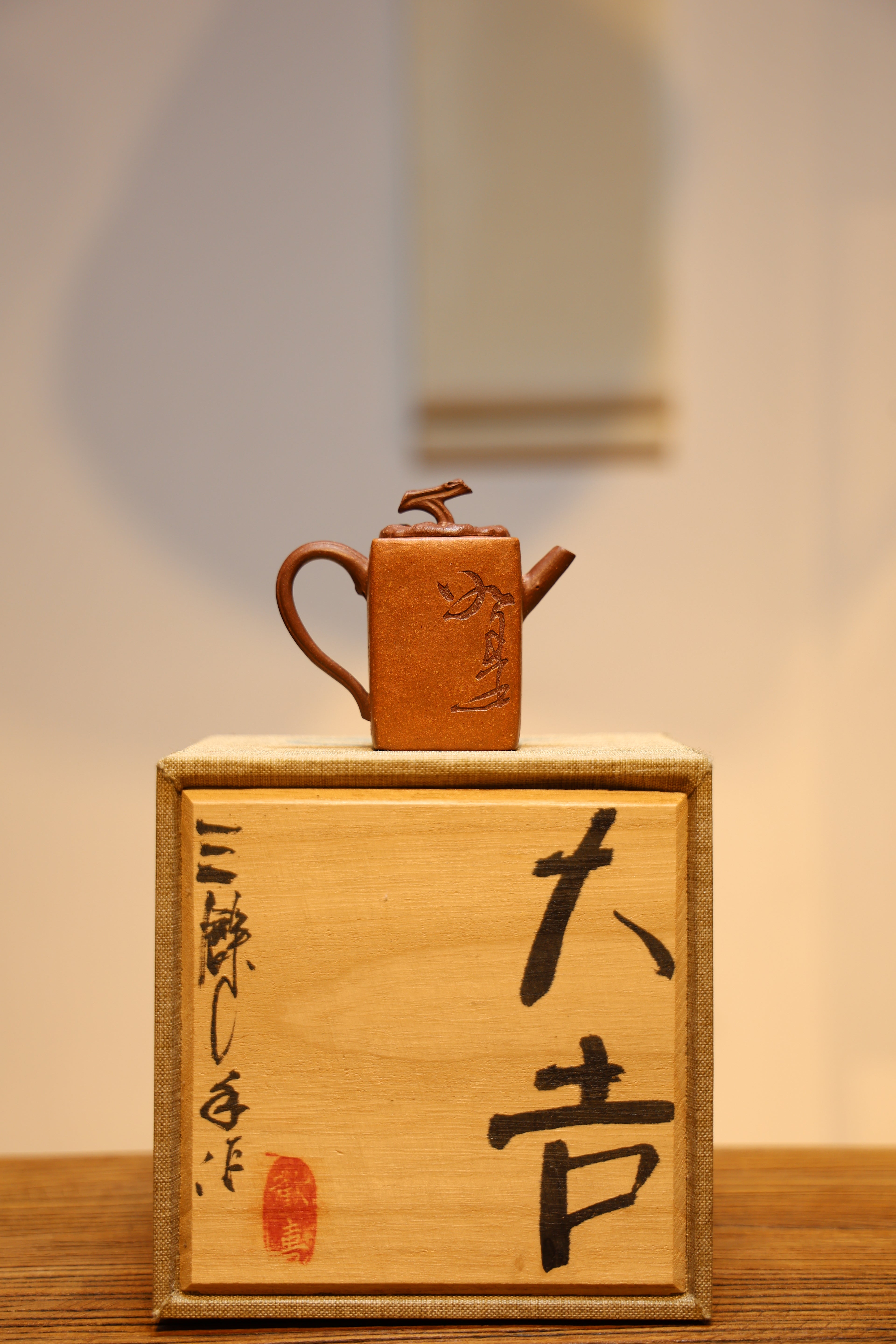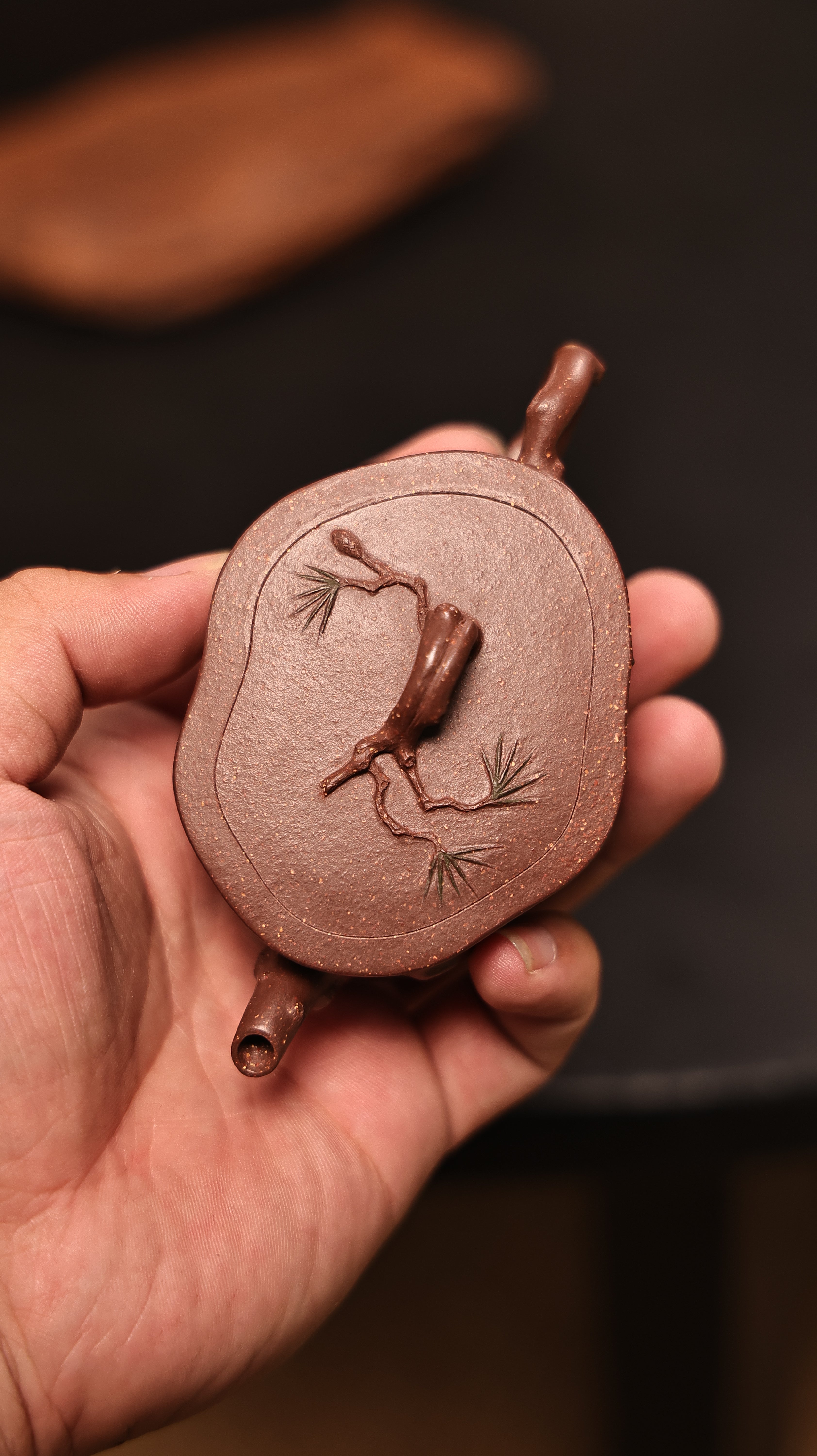
Enduring custom determines Yixing earthenware within eras,
Illustrating distinctive qualities sourced inside indigenous aubergine particles, those earthenwares gain a luster amid employment, refining bouquet released from extracted beverages.
Discovering Yixing Material: Comprehensive Insights into Zisha
Multiple aficionados appreciate the distinctive texture of Yixing purple clay, a linchpin of conventional Chinese porcelain. Deriving from the Yixing region of Jiangsu province, this uncommon clay possesses an complex mineral constitution, what provides outstanding qualities to the manufactured objects. Categories within Zisha, including Zhuni Mud, Duan Ni Mud, and Jiang Xi Mud, each has special pigments, surfaces, and hardening traits, influencing the breathability and the concluding bouquet growth of the tea.
Sino Pitcher Heritage: Examining Innovation
Oriental teapots embody far more mere flasks for liquid; they embody centuries of inherited craft. From the renowned Yixing clay variations, respected for their spongy nature which adds special tones to the infusion, to the fine porcelain from Jingdezhen, each piece discloses a tale of artistry. The construction process is an intricate operation, often conveyed through bloodlines of specialists. These experts use vintage methods such as hand-building, casting on wheels, and adorned, demonstrating profound reverence for the component and the discipline itself. Imagine the effort invested in each piece as a symbol of Chinese tradition legacy.
- Eastern clay flasks: a famous offer.
- Translucent pottery teapots: noted for their lightweight design.
- Hand-building techniques: a laborious yet rewarding procedure.
Eastern Clay Kettle Maintenance: Sustaining Your Valuable Artifact
Fitting upkeep of your distinguished Yixing Zisha jar is essential to prolonging its beauty. Crafted from renowned purple sand soil, these exceptional teapots gain a warm patina after use, considerably boosting their allure. Withhold detergents; a mild rinse with comfortable warmth hydraulic medium is enough. Shun heated water for cleaning the teapot, as it may crack its composition. Allow it to become dry away from intense sunshine. Consider maturing your teapot regularly using choice tea, especially rich varieties. Here is a brief summary:
- Flush with pleasantly warm hydrous substance.
- Avoid cleaners.
- Enable it to become free of moisture.
- Familiarize with select tea.
Ancestry of Yixing Teapots: From Simple Starts
The tale of Yixing teapots commences plainly during the Qing dynasty, near the 16th age. Initially, these objects were not the cherished artifacts they are valued presently. They were created by provincial potters using the sole purple clay harvested solely in the Yixing vicinity. These early pieces were predominantly utilitarian, aimed for commonplace operation and often modest in form. It was not until the following dynasty that they commenced to earn fame beyond mere practical articles.
Selecting the Fitting Native Jar: A Introductory Introduction
Entering the domain of Yixing teapots can be daunting, but do not fretting! For rookies, the fundamental factor is understanding the earth. Real Yixing clay is prized for its porosity, allowing the teapot to collect the tea's note over time, refining every preparing session. Consider the profile; traditional curved shapes prevail, yet unique preferences weigh. Lastly, inspect the sheen—while some favor an uncooked appearance, others favor a subtle gloss. Take your time in the purchase process—this is an purchase in a valued piece of production.
Fine Clay Pots and Their Influence on Chinese Brew Heritage
Zisha vessels, born from Yixing, China, have profoundly transformed classic Chinese brew culture. Those Yixing clay teapots, prized for their characteristic tint, grain, and exceptional ability to impart a subtle accent to the brew, serve as more than mere devices; they are appreciated treasures and symbols of importance. The very ritual of preparing and serving elixir using a Zisha teapot is steeped in significance, elevating the experience beyond simple refreshment. Successions of artisans have developed their techniques, passed down through progenies, resulting in highly appreciated pieces. Consequently, Zisha teapots are frequently accumulated, playing a crucial part in cultivating local appreciation for aesthetics and the Yixing Zisha Teapot ceremony of beverage ceremonies.
- Peculiar Clay Composition
- Imparting Subtle Flavor
- Exquisite Craftsmanship
Identifying Original Valuable Regional Teapots
Securing a genuine Yixing teapot can be a fulfilling experience, but the environment is often filled with forgeries. Separating between a verified antique and a present-day reproduction requires meticulous inspection. Key hints include the clay's rich brown shade, often displaying marked designs, and the nonexistence of modern heating imprints. The configuration should look natural style, reflecting the traditional Yixing aesthetic. Finally, studying the artist's symbol is crucial to verify accuracy against endorsed sources.
- Assess the clay's structure.
- Look for errors, indicative of handcrafted quality.
- Engage an connoisseur for endorsement.
Acquiring Chinese Pitchers: A Informative Primer to Pottery Recognition
The environment of Yixing Zisha wares affords a special chance for insightful collectors. Growing, the cost of these bespoke artifacts is contingent by different attributes, such as the quality of 紫砂, the artistry of the craftsman, the heritage weight, and, naturally, the contemporary appetite. Initiates should familiarize themselves on comprehending the numerous characteristics of Zisha clay—such as Binghu, 杜宁, and 紅泥—and getting acquainted with the characteristics linked to each. Careful examination of the vessel's shape, complexion, and badge is concurrently paramount to make educated judgments when investing.