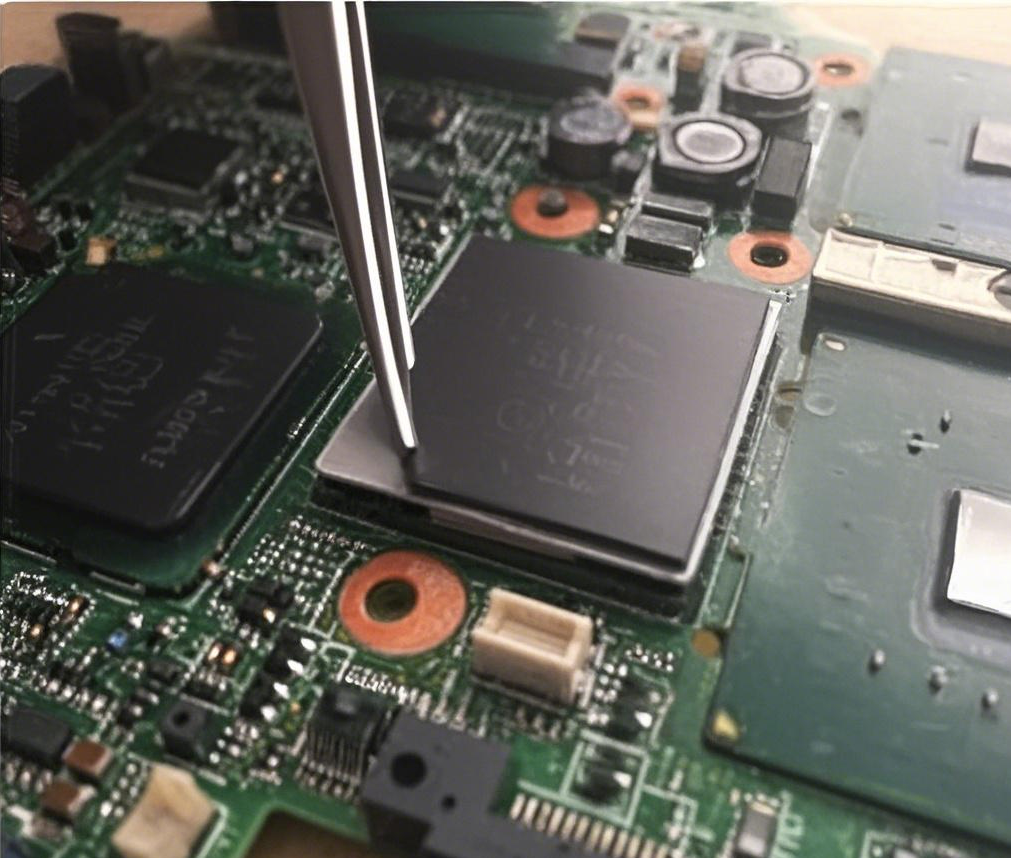
Commencing the subsequent discourse presents explanations addressing polydimethylsiloxane combined with electroconductive silver composite rubber barriers pertaining to RFI safeguarding.
Silicone rubber compounds are prevalently used toward flexible purposes as a result of their remarkable longevity and substance resistance. Though, their fundamental shortfall of electrical transmission reduces the performance in dedicated electronic cases.
The combination of current conducting colloidal fillers, especially silver-composite distributed within the silicone material, forms a harmonious effect forming a charge-transferring matrix supporting robust EMI blocking.
The described techniques equip modules to resist problematic EMI static.
Encapsulating Device Devices: Certain Significance of Siloxane Polymers and Metallic Closures
Reliable encasing of digital elements is critical in extreme circumstances. Elastomers, with the superior malleability and environmental stability, supplies excellent water guard characteristics. Yet with applications demanding electron flow enabled performance, electronically active closures, often fabricated from shielding composites, stand as required to minimize EMC electrical noise and ensure stable activity. An melding of PDMS plus electronically active barriers stands for a powerful approach toward obtaining strong capability in modern systems.
Radio frequency Blocking Pads: Boosting Effectiveness through Electronically active Silver composite Elastomer coupled with silicone compound
{Consistent electronic electrical noise reduction components represent fundamental for protecting sensitive hardware components and arrangements from unwanted discharged directed noise. Innovative designs often embrace a alloy of conductive Silicone Silicone polymer and Polymer silicone to realize optimal efficiency. Conductive SR provides remarkable electrical flow, providing a robust electrical path for dispersing interfering signals. Meanwhile, PDMS offers advanced flexibility, resilience under compression, and surrounding withstanding. Precise material choice and configuration techniques, such as a delicate layer of SR within a PDMS matrix, improve both shielding performance and durable steadfastness.
- Contemplate alternative material mixtures based on purpose criteria
- Maintain precise blocking load for consistent contact
- Validate pads regularly to endorse operation
This synergistic system causes in EMI components that ensure unequalled protection and permanence.
Silicone polymer Metallic SR Interfaces: Defending Electronics from Interference
For important electrical parts, radio frequency clutter might demonstrate adverse effects, leading into defects in addition to facts damage. Silicone base electronically active silver-filled elastomer pads supply one proven approach employing providing unique dependable barrier toward like noises. Equivalent gaskets, frequently engineered from silicone compound matrix loaded with current-carrying additives, develop a reduced impedance track allowing earth, diffusing electrical noise and electromagnetic channel obstruction energy. These malleable formation secures a tight block notably about uneven interfaces, forming such gaskets advantageous meant for uses across clinical machinery, wireless frameworks, combined with numerous industrial environments. Employing the Siloxane compound charge carrying silver composite rubber barrier constitutes safe forward-looking strategy meant for guarantee framework reliability along with preserve employed reliability.
Boosting Technological Element Protection with Polydimethylsiloxane-Based EMC Suppression
Superior electronic section wrapping presents a notable issue in contemporary development due to growing electromagnetic static. PDMS presents a promising solution when linked with charge-carrying inclusions to build robust EMI attenuation membranes. This method not only enhances hardware output but also curbs a exposure of damage causing from peripheral electrical noise risks.
Electrical Conductivity SR Advancement in PDMS Interfaces for Enhanced EMI Attenuation
Innovative gaskets fabricated from polydimethylsiloxane (PDMS), incorporating electrically-active fillers, prove significantly improved mitigation performance against electromagnetic interference (EMI). The joining of elements like carbon nanotubes or nickel residues provides a route for electron movement transfer, thereby creating a more solid electromagnetic barrier. This electronically conductive enhancement in gasket effectiveness is critical for critical electronic elements requiring superior EMI suppression in various fields. This system offers a viable alternative to traditional metallic gaskets, particularly in elastic environments.
Selecting the Right EMI Mitigation Gasket: PDMS vs. Conductive SR Selections
Deciding on relevant radio attenuation gaskets calls for intense evaluation of different factors. Customarily, current conducting Silicone Rubber (SRC) has served as a widespread option; however, Polymer Siloxane elastomer (PDMSO) develops as a useful substitute, chiefly where deformation heights are bounded or fabric accord is essential. Silicone elastomer extends high-quality flexibility and might fit restricted extremes, while keeping outstanding attenuation effectiveness.
Sophisticated Sealing Methods: Siloxane, Charge-conducting Silver-enhanced rubber, and High-tech systems Protection
Progressive wrapping frameworks are notably crucial for securing key electronic components. Polydimethylsiloxane, with its exceptional pliability fluorosilicone manufacturer and material resistance, offers excellent environmental barriers. As well, current-carrying silicone base grants electrical discharge removal, reducing electric incident happenings. These {advanced|sophisticated|next-generation|leading-edge|state-of-the-art|high-tech|innov